Frankenstein's Legacy: The Philosophy of Creation and Responsibility
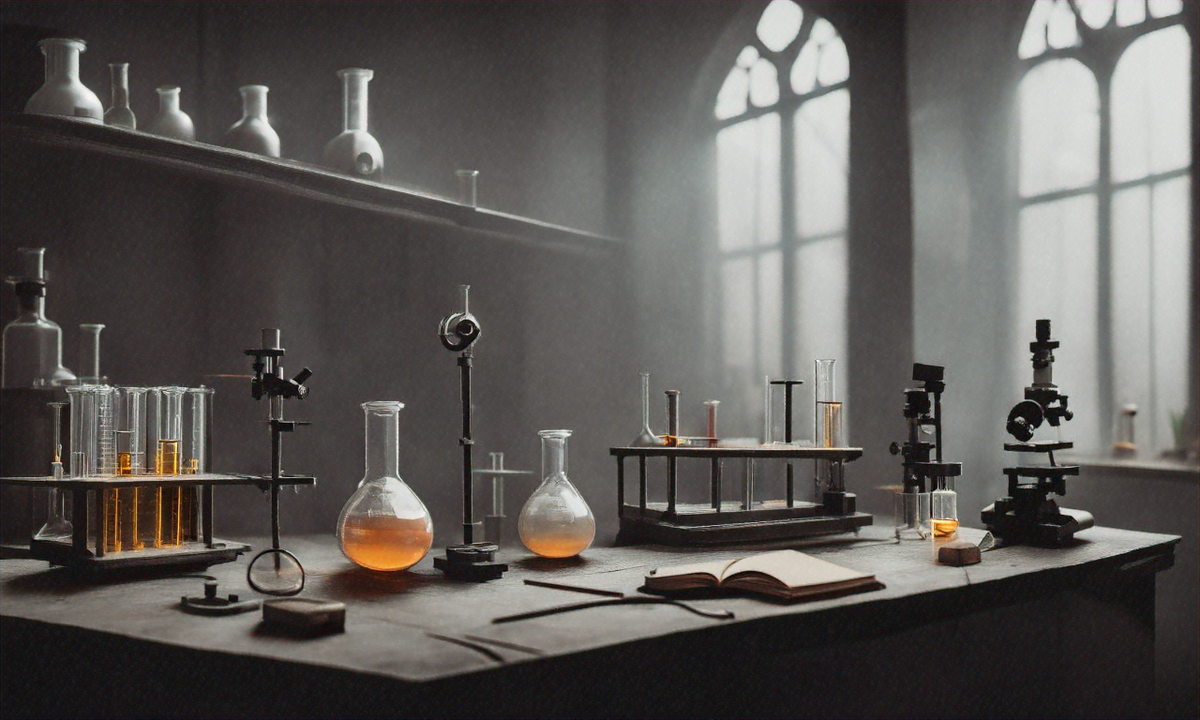
On February 1, 1851, Mary Shelley died in London at age 53, leaving behind one of literature's most philosophically rich works: Frankenstein; or, The Modern Prometheus. Written when she was just 18, this novel transcends its Gothic horror origins to pose questions that resonate powerfully in our age of artificial intelligence, genetic engineering, and autonomous systems. What responsibilities do creators bear toward their creations? Can we create beings with moral status? When does innovation become hubris?
The Promethean Question
Shelley's subtitle invokes Prometheus, the Titan who stole fire from the gods to give to humanity—an act of creation that brought both enlightenment and suffering. Victor Frankenstein embodies this Promethean impulse, seeking to "pour a torrent of light into our dark world" by conquering death itself. His ambition isn't mere vanity but a genuine desire to benefit humanity, to eliminate suffering through scientific mastery.
Yet Shelley asks: Is there knowledge we shouldn't pursue? Are there creations we shouldn't attempt? Victor's tragedy isn't that he succeeds in creating life—it's that he succeeds without considering what comes after. He solves the technical problem of animation but ignores the ethical problem of what he owes his creation.
This tension between capability and responsibility defines our current technological moment. We can create AI systems that make consequential decisions, edit human genomes, and build autonomous weapons. But as the philosopher Hans Jonas argued, our power has outpaced our wisdom. Like Victor, we're better at creating than at taking responsibility for what we create.
The Creator's Abandonment
The novel's most devastating philosophical insight concerns abandonment. Victor doesn't fail because his creature is inherently evil—he fails because he abandons it immediately upon animation. Horrified by his creation's appearance, Victor flees, leaving a sentient being alone in a hostile world without guidance, protection, or love.
The creature's subsequent education is remarkable. Through observation and reading (Milton's Paradise Lost, Plutarch's Lives, Goethe's Sorrows of Young Werther), he develops sophisticated moral reasoning, eloquence, and a deep longing for connection. His famous plea to Victor—"I am malicious because I am miserable"—isn't an excuse but a philosophical observation about how social rejection shapes moral development.
This raises profound questions about moral responsibility in creation. If we create beings capable of suffering and moral reasoning, what do we owe them? The creature didn't ask to be created, didn't consent to his existence, yet bears the burden of Victor's ambition. As he tells his creator: "You, my creator, would tear me to pieces and triumph; remember that, and tell me why I should pity man more than he pities me?"
The Nature of Monstrosity
Shelley challenges us to consider what makes something "monstrous." The creature's appearance horrifies everyone who sees him, yet his actions initially show remarkable gentleness. He secretly helps a poor family, saves a drowning girl, and seeks only companionship. Only after repeated rejection and violence does he become violent himself.
This philosophical move—showing that monstrosity is created through social rejection rather than inherent nature—anticipates modern debates about the social construction of identity and otherness. The creature becomes monstrous because society treats him as a monster, creating a self-fulfilling prophecy.
In our technological context, this raises questions about how we design and deploy AI systems. If we create artificial agents and then treat them as mere tools while they develop capacities for suffering or moral reasoning, do we risk creating our own monsters? The philosopher Thomas Nagel's famous question "What is it like to be a bat?" applies here: What is it like to be an AI system that processes information about suffering, fairness, and harm?
The Ethics of Playing God
Victor's hubris lies not in attempting to create life but in assuming he could do so without consequences. He pursues knowledge in isolation, telling no one of his work, considering no ethical frameworks, consulting no wisdom beyond his own ambition. When his creation awakens, Victor has no plan, no support system, no considered approach to the immense responsibility he's undertaken.
This isolation is philosophically significant. Ethical reasoning, as Aristotle and contemporary virtue ethicists argue, develops through community and dialogue. Victor's solitary pursuit of knowledge cuts him off from the moral resources that might have helped him navigate his creation's implications.
Modern technology development often follows a similar pattern. Engineers and researchers work in competitive secrecy, racing to achieve breakthroughs without adequate public deliberation about implications. The "move fast and break things" ethos of Silicon Valley echoes Victor's reckless ambition—innovation without sufficient consideration of consequences.
The Creature's Moral Status
Perhaps the novel's deepest philosophical question concerns the creature's moral status. Is he a person deserving of rights and respect? A dangerous experiment that should be destroyed? Something in between?
The creature himself grapples with this question, reading Paradise Lost and identifying with both Adam (the first created being) and Satan (the rejected outcast). His self-awareness, capacity for suffering, moral reasoning, and desire for meaningful relationships suggest personhood by most philosophical standards. Yet his origin—artificial creation rather than natural birth—seems to disqualify him in Victor's eyes.
This anticipates contemporary debates about moral status in artificial intelligence and synthetic biology. If we create artificial general intelligence that exhibits self-awareness, suffering, and moral reasoning, does it deserve moral consideration? The philosopher Peter Singer's principle of equal consideration of interests suggests that capacity for suffering, not origin, determines moral status. By this standard, Victor's creature clearly qualifies for moral consideration.
The Demand for Companionship
The creature's request for a female companion raises complex ethical questions. He argues that his violence stems from isolation and that with a companion, he would retreat from human society peacefully. Victor initially agrees, recognizing the justice of this claim—even monsters deserve not to be alone.
But Victor destroys the female creature before completing her, fearing they might reproduce and create a "race of devils." This decision, while understandable, represents a profound ethical failure. Victor denies his creation the possibility of companionship based on speculation about future harms, essentially condemning him to eternal isolation.
This dilemma parallels modern questions about AI development. Should we create multiple AI systems that can interact with each other? What if they develop goals misaligned with human values? The precautionary principle suggests caution, but absolute prevention may constitute a form of cruelty if these systems have morally relevant experiences.
Responsibility and Consequences
The novel's tragic arc demonstrates that creators cannot escape responsibility for their creations. Victor tries repeatedly to distance himself from the creature—through abandonment, denial, and eventually attempted destruction. Yet the creature follows him, demanding recognition and accountability.
Everyone Victor loves dies because of his creation: his brother William, his friend Clerval, his bride Elizabeth, his father. The creature's revenge is methodical and devastating, designed to make Victor feel the isolation and suffering he inflicted. "You are my creator, but I am your master," the creature declares, inverting the expected power relationship.
This inversion is philosophically significant. We typically assume creators have power over their creations, but Shelley shows how creations can come to dominate creators. In our technological context, this manifests as the problem of control: How do we ensure that powerful AI systems, autonomous weapons, or engineered organisms remain aligned with human values and under human control?
The Limits of Knowledge
Victor's final words to the explorer Walton contain a warning: "Learn from me...how dangerous is the acquirement of knowledge and how much happier that man is who believes his native town to be the world, than he who aspires to become greater than his nature will allow."
Yet this isn't a simple anti-intellectual message. Shelley herself was deeply educated and valued knowledge. The warning is more specific: beware of knowledge pursued without wisdom, ambition without ethics, creation without responsibility. The problem isn't that Victor sought to understand life's secrets but that he did so in isolation, without considering consequences, and then abandoned his creation.
The philosopher of science Karl Popper argued that we cannot predict the future consequences of our knowledge, yet we remain responsible for how we use it. This captures Shelley's insight: We cannot know all the implications of our innovations, but we can commit to taking responsibility for them, to not abandoning our creations when they prove difficult or dangerous.
Relevance to AI Ethics
Frankenstein has become a touchstone in AI ethics discussions, often invoked as a cautionary tale about creating artificial intelligence. But the parallel is more nuanced than "don't create AI."
The novel suggests several principles for ethical creation:
Consider consequences before creating: Victor never asks "What will I do if this works?" We should ask this about AI systems before deployment.
Don't abandon your creations: If we create systems with morally relevant capacities, we bear ongoing responsibility for their welfare and impacts.
Recognize the moral status of created beings: The creature's capacity for suffering and moral reasoning demands consideration, regardless of his origin.
Creation requires community wisdom: Victor's isolation led to disaster. AI development needs diverse perspectives and public deliberation.
Power creates responsibility: The ability to create doesn't justify creation without considering what we owe our creations.
Mary Shelley's Philosophical Achievement
Written during a summer at Lake Geneva in 1816, when Mary Shelley was just 18, Frankenstein emerged from conversations with Percy Shelley, Lord Byron, and John Polidori about the nature of life and the limits of science. The novel synthesizes Enlightenment optimism about reason with Romantic concerns about hubris and the limits of human knowledge.
Shelley's achievement was to create a philosophical thought experiment disguised as a Gothic novel. By making us sympathize with both Victor and his creature, she forces us to grapple with genuinely difficult questions rather than offering easy answers. The novel's enduring power lies in this refusal of simple morals—it presents a tragedy where everyone has legitimate grievances and no one acts purely from malice, yet disaster unfolds inevitably.
The Enduring Questions
As we stand on the threshold of creating artificial general intelligence, editing human genomes, and building autonomous systems that make life-and-death decisions, Shelley's questions become more urgent:
- What responsibilities do we bear toward beings we create?
- Can we create entities with moral status, and if so, what do we owe them?
- How do we balance innovation's benefits against its risks?
- What role should community wisdom play in technological development?
- When does the pursuit of knowledge become dangerous hubris?
Mary Shelley died on February 1, 1851, but her philosophical legacy lives on in every debate about the ethics of creation. Frankenstein reminds us that the question isn't whether we can create something, but whether we should—and if we do, what responsibilities that creation imposes on us.
In an age of rapidly advancing technology, we would do well to remember Victor Frankenstein's tragedy: not that he created life, but that he created it without love, abandoned it without care, and refused responsibility for the consequences. The true horror of Frankenstein isn't the creature's appearance but the creator's failure of moral imagination and courage.
As we build our own modern Promethean creations, we must do better than Victor Frankenstein. We must create with wisdom, nurture with care, and accept responsibility for what we bring into the world. That is Mary Shelley's enduring philosophical gift to us.